WHO WANTS TO BECOME A FARMER TODAY ?
I was 15 when I first visited the French Riviera. My parents fell in love with this region, nestled between the sea and the mountains, and bought a house here in the late 1990s. We spent countless vacations there, and seven years ago, I decided to settle in the same village with my family. Over the years, I have been able to closely observe how much the area has changed due to extraordinary urbanisation.
Despite being one of the most fertile and sunniest regions in France, today it has the lowest rate of food self-sufficiency in the country (just half a day).
In the Alpes-Maritimes department, the loss of agricultural land is four times higher than the national average. And more than eight out of ten farms have disappeared. Why?
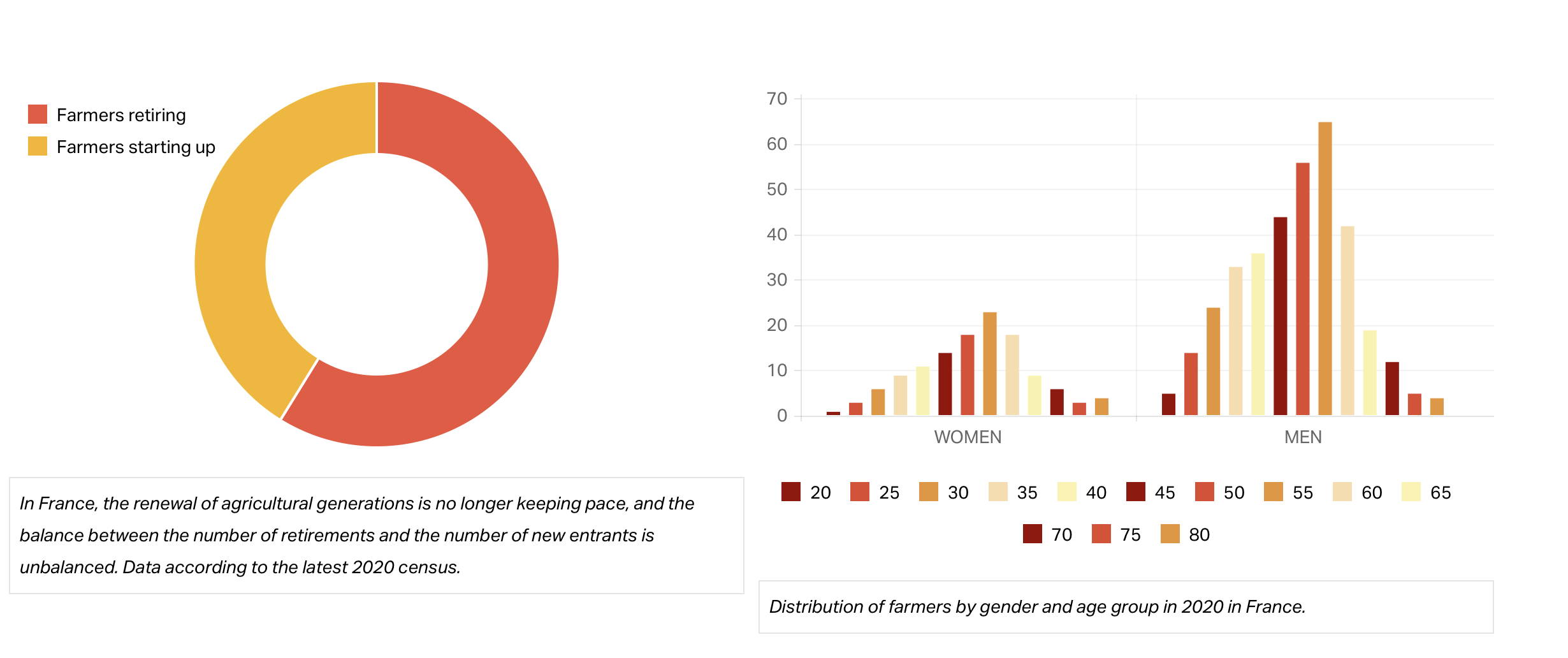
In addition to the structural difficulties of farming, land pressure is such that many farmers approaching retirement (more than half of farm managers or co-farmers are over 55) accept generous offers from real estate promoters.
The issue of generational renewal in the profession is therefore becoming a major challenge for the future of the agricultural sector in this region, where it is almost impossible to find land or access financing. Luckily, there are organizations such as Safer (Society for Land Development and Rural Settlement) that support project leaders and aid such as the DJA (Young Farmers Grant) is crucial in facilitating the process of setting up a farm.
But what opportunities are there to train and learn a profession that was previously passed down from father to son?
Driven by curiosity to find out who today decides to become a farmer in the Alpes-Maritimes, I decided to meet those who have embarked on a career change or professional training at the Campus Vert d'Azur (BP REA*) in Antibes.
I consider them modern-day heroes. Their motivations for choosing this challenging path are a demonstration of their altruism. Most of them are not only committed in feeding others by restoring or preserving natural resources, but above all in embarking on a journey of self-sufficiency and personal liberation.
They want to forge links with their family history or show their children a different way forward.
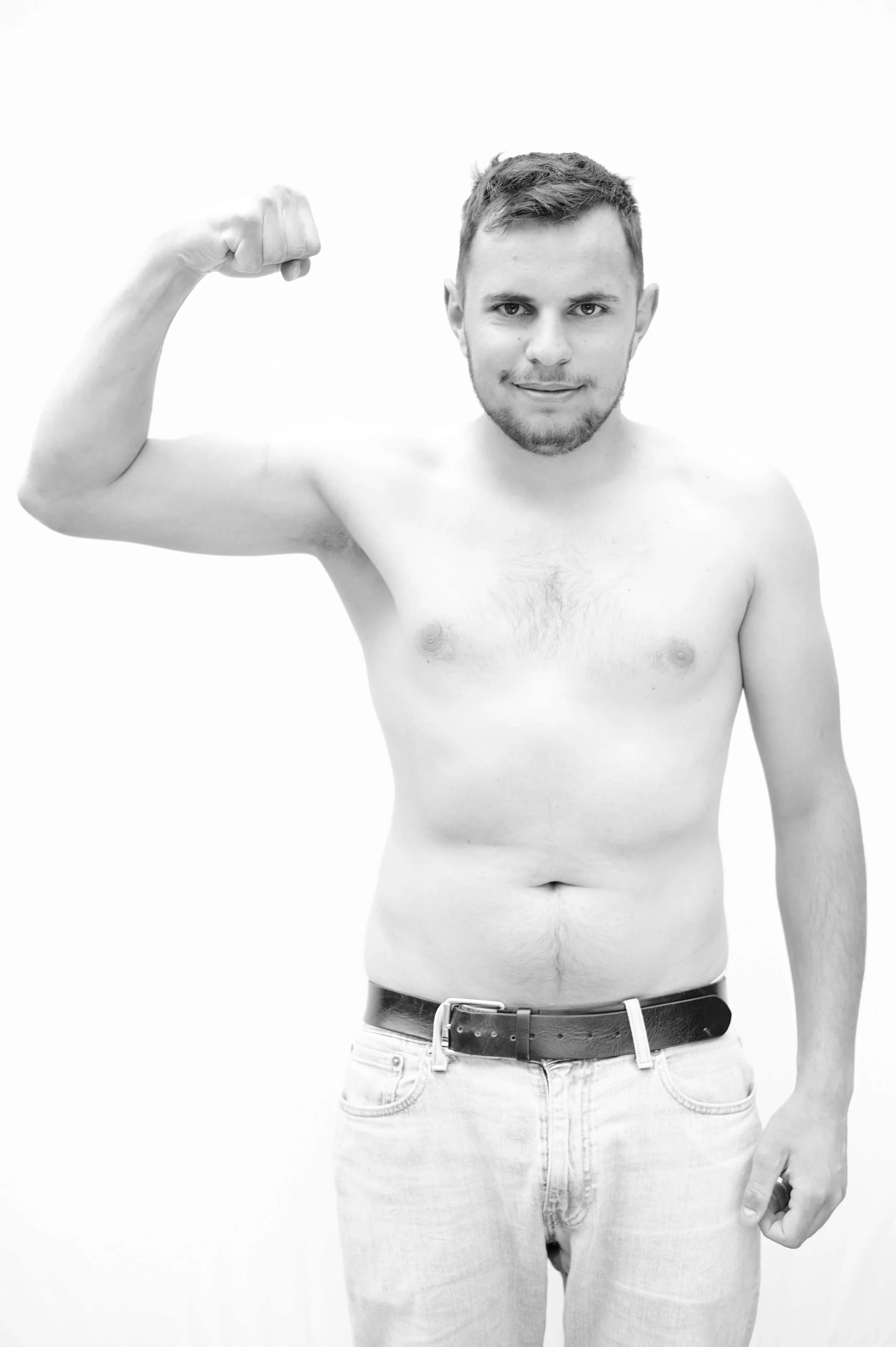
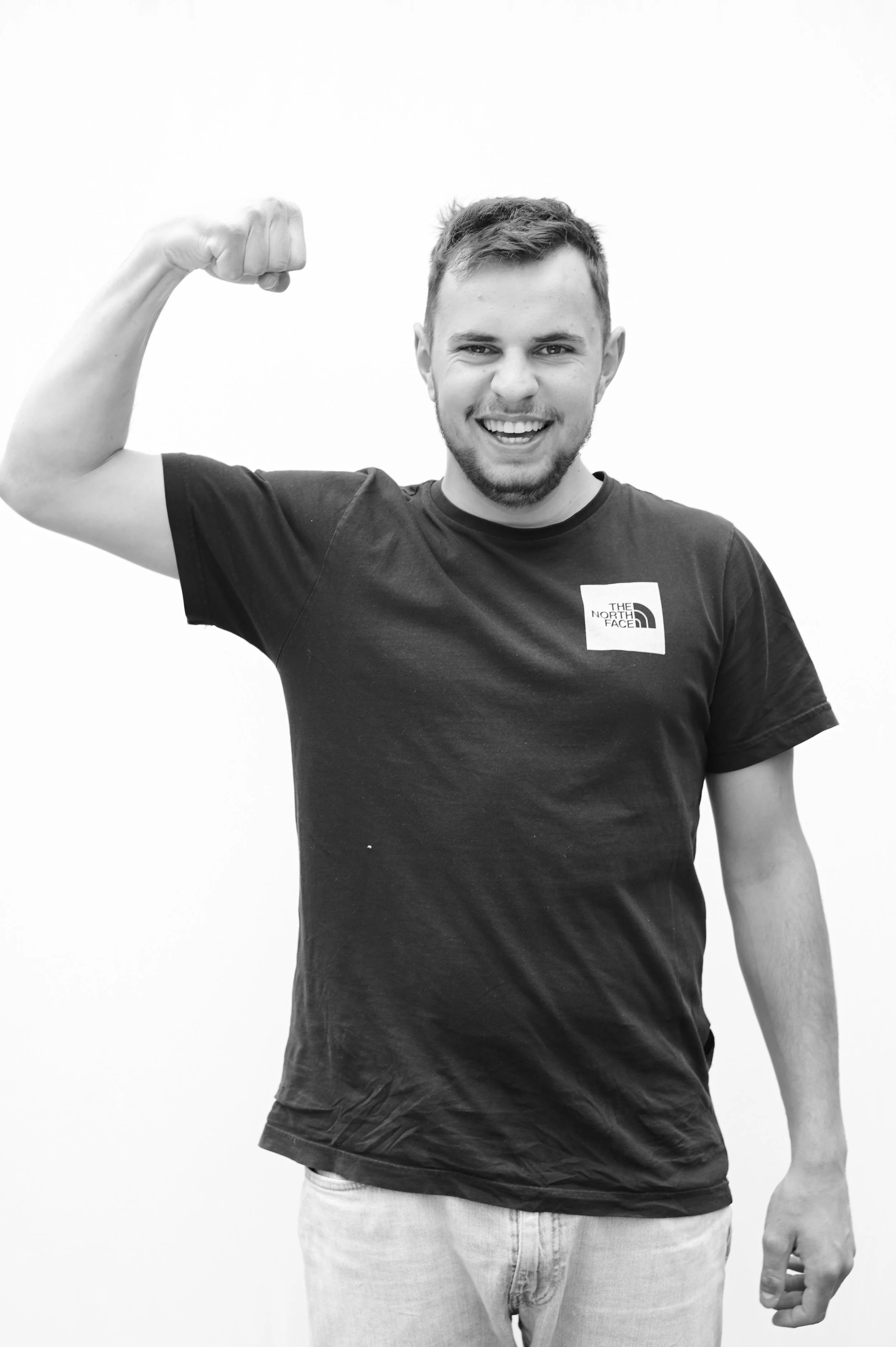
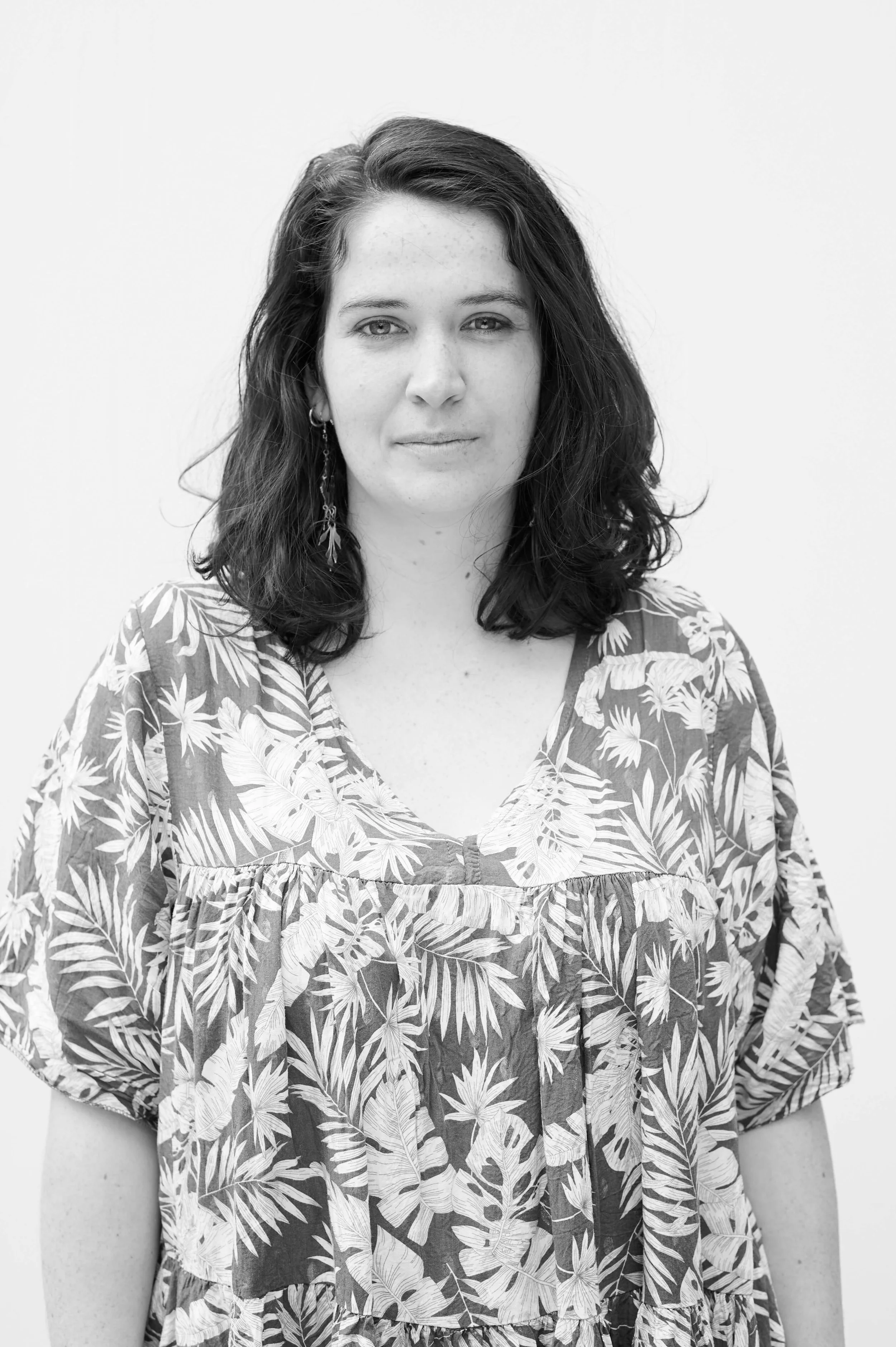
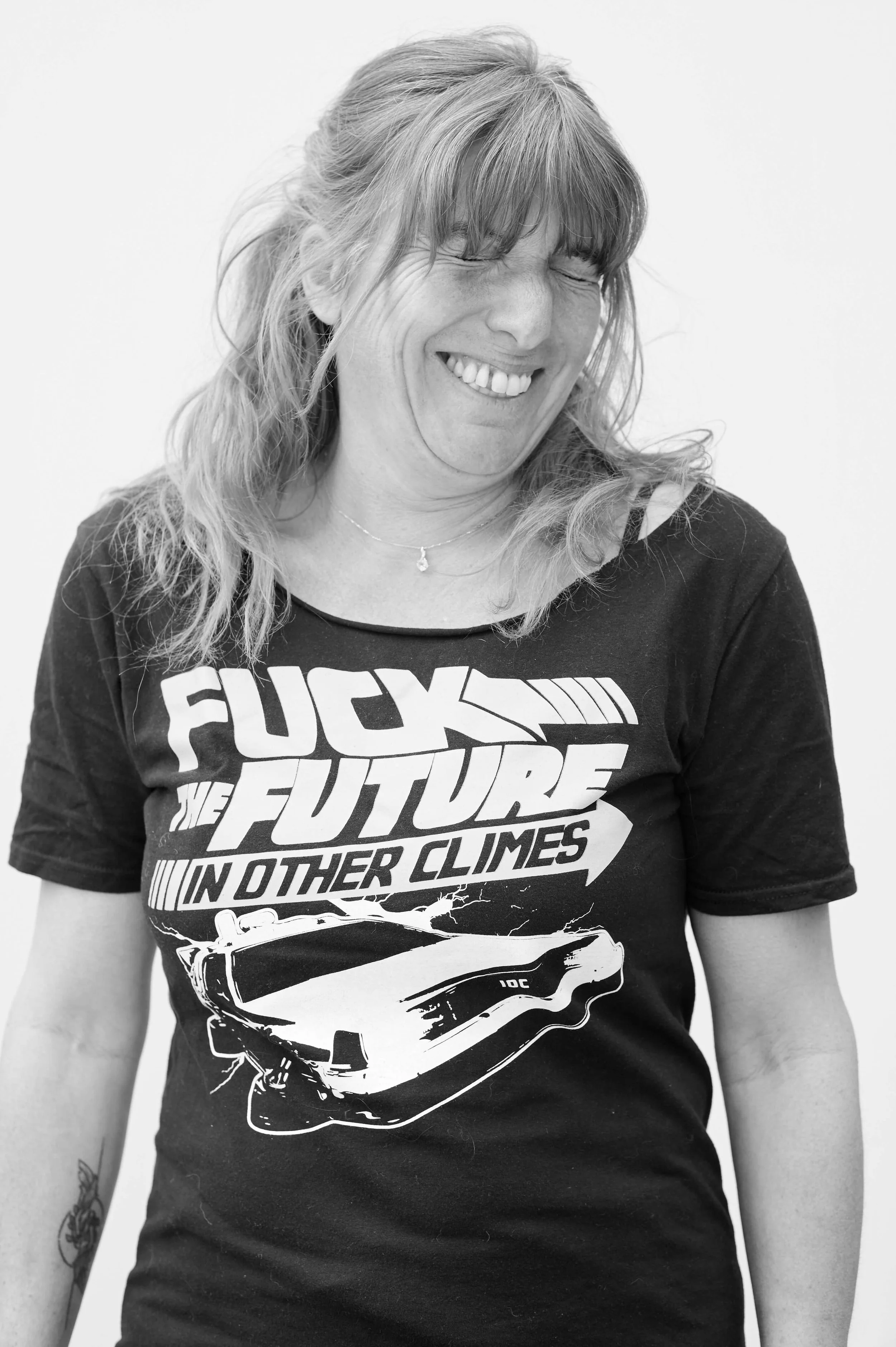
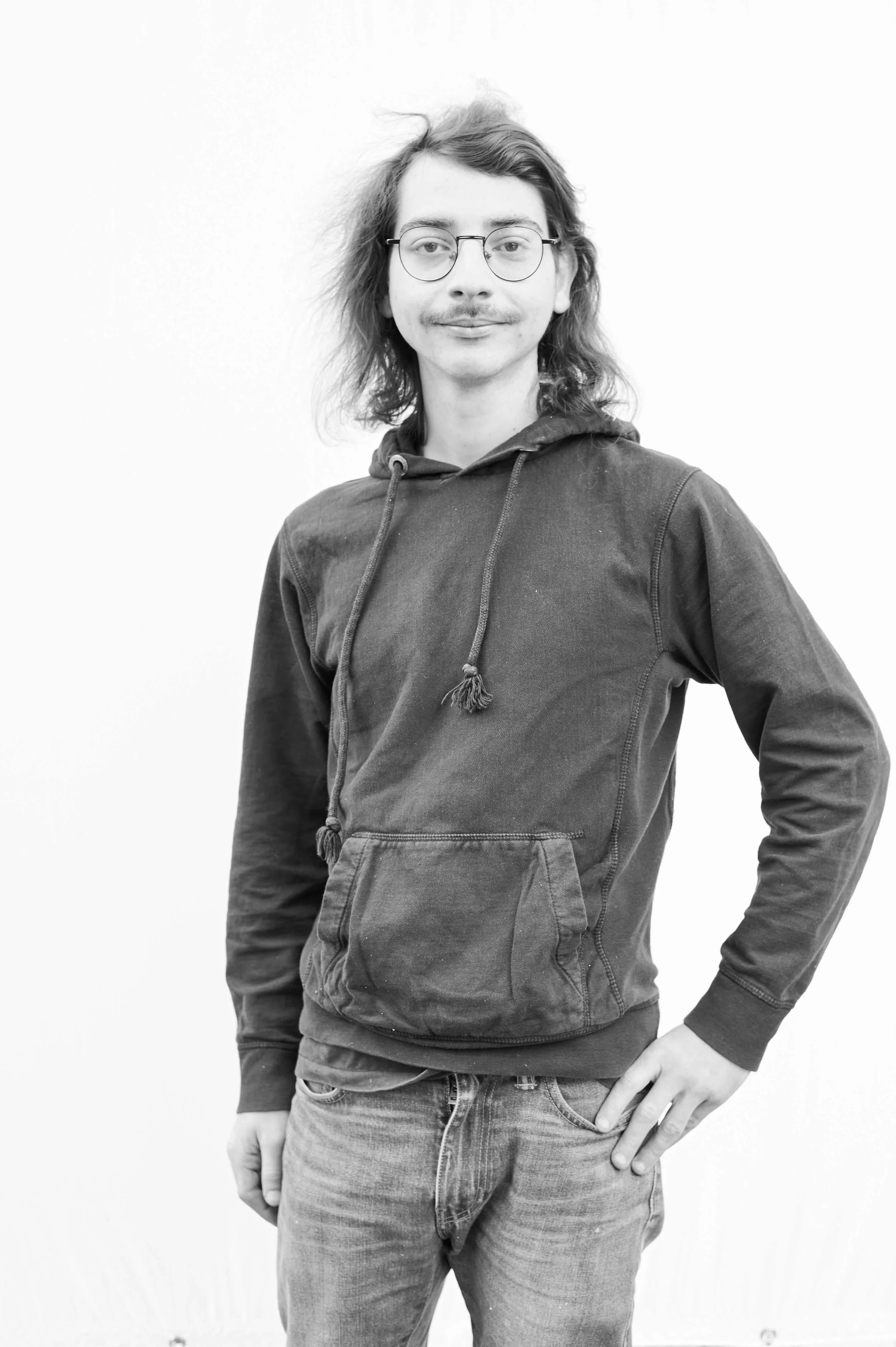
Here are their faces and their stories.
*In two years, the BP REA (professional certificate in agricultural business management) training program enables participants to set up as farm managers or become employees on one of these farms.
The program, which involves around 20 contributors, provides access to funding aimed at helping young (and older) farmers to set up in the region.
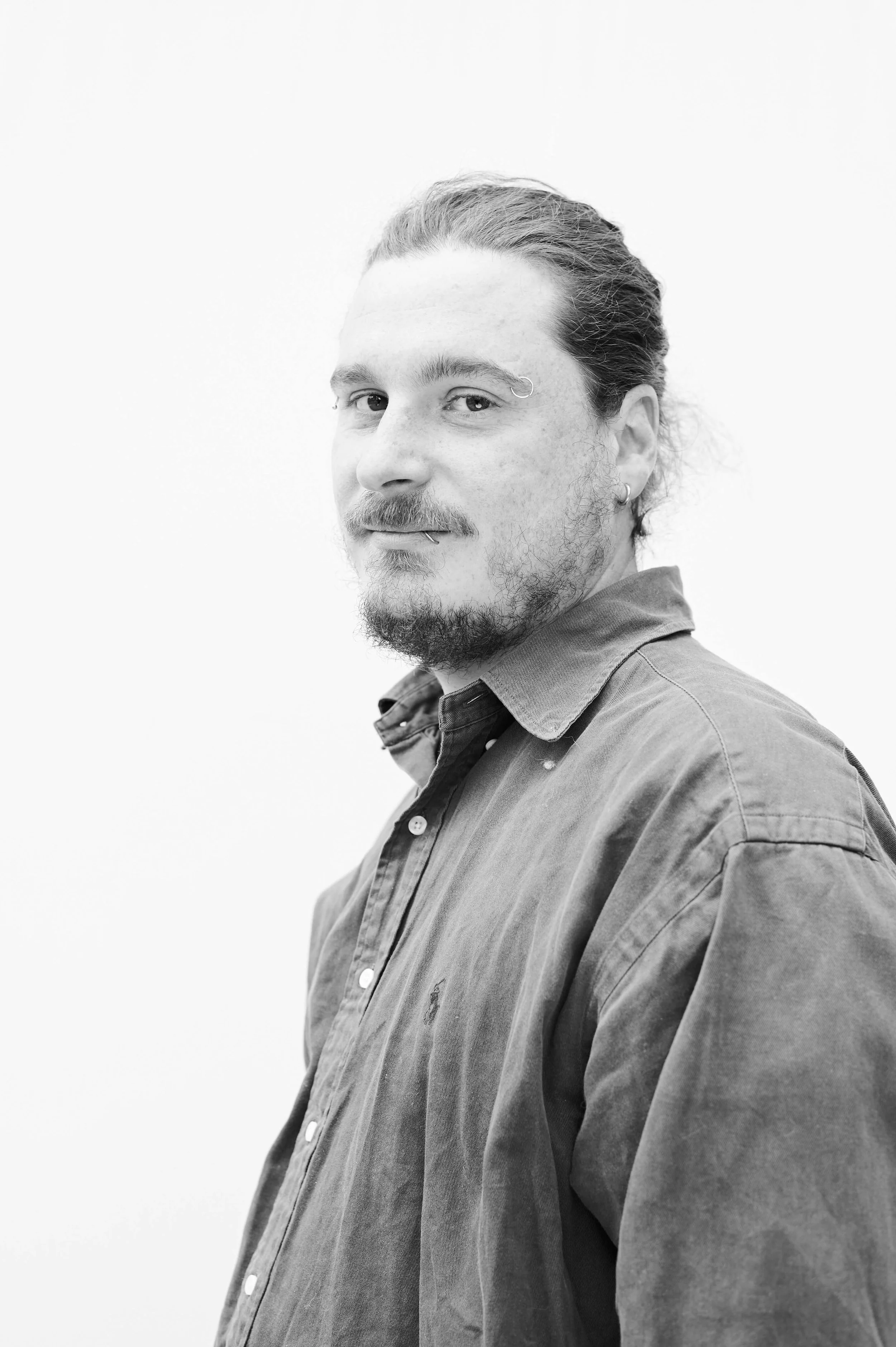
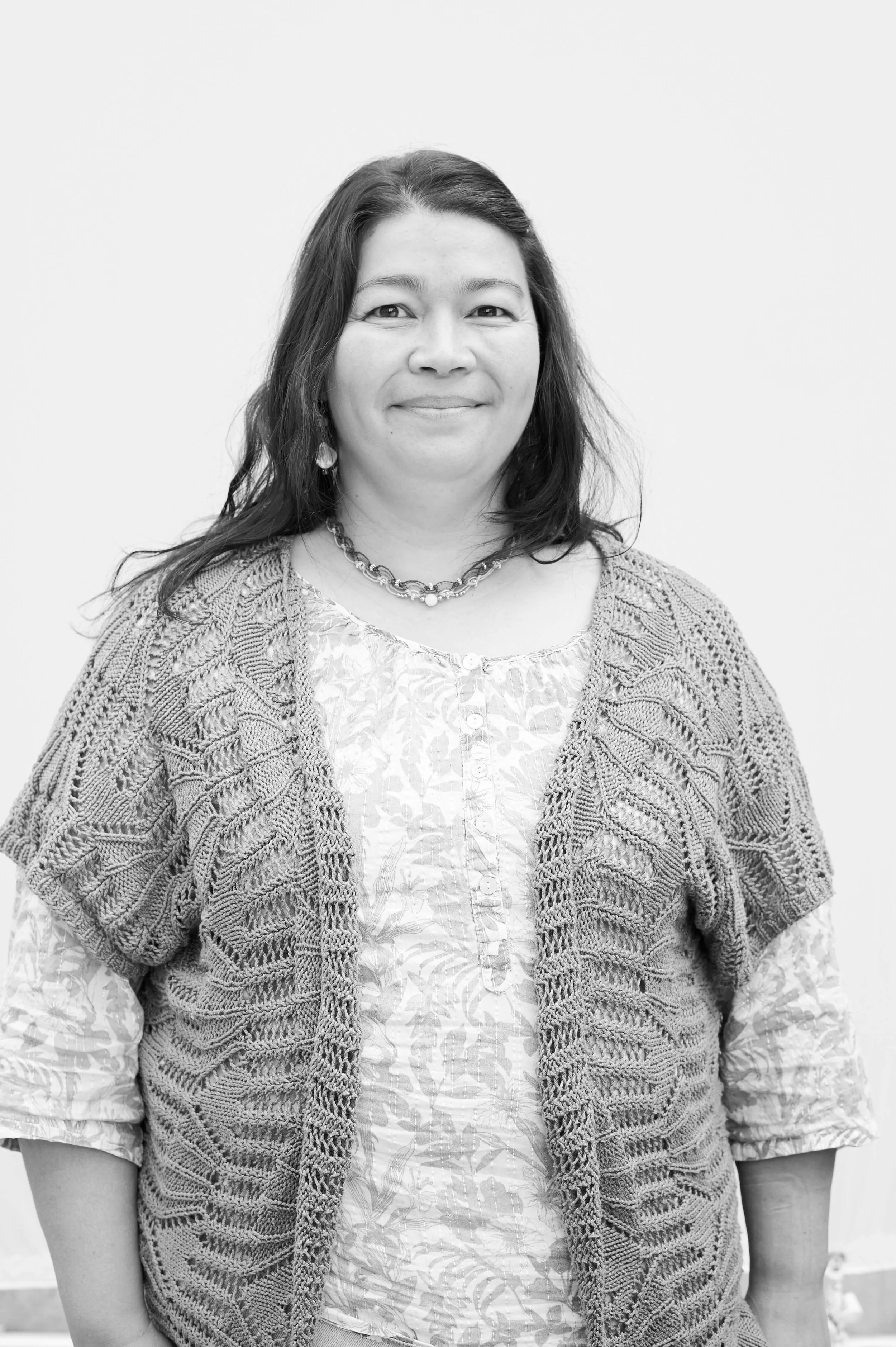
I have been a trainer at the Campus for six years.
Over the years, I learned the importance of giving all students the opportunity to follow their own path. Dreams are what drive us forward. If you tell them before they even start that they won't succeed, that they won't earn a living, what's the point?
My parents introduced me to the world of agriculture, so I have a good understanding of it. I know how physically demanding the job is. I know how rewarding it can be, but also how challenging. I know it from the inside. What I really loved when I became a trainer was having an audience of people who wanted to become farmers. After spending years feeling ashamed of being a farmer's daughter, having people in front of me for whom it is, in fact, a dream, is very rewarding. They are eager to learn, and I was finally able to share my story and my experience with pride.
The experience has taught me not to judge, but to be open-minded. I've seen people with unusual projects, who I wouldn't have bet on, ultimately succeed in setting up and developing their business by doing amazing things. When you find someone who manages to do that, it's so beautiful.
My students don't yet really realize all that awaits them. There are so many skills to develop, but they are so brave! Especially the women!
All I can do is continue to support them.
Carine Vilardell
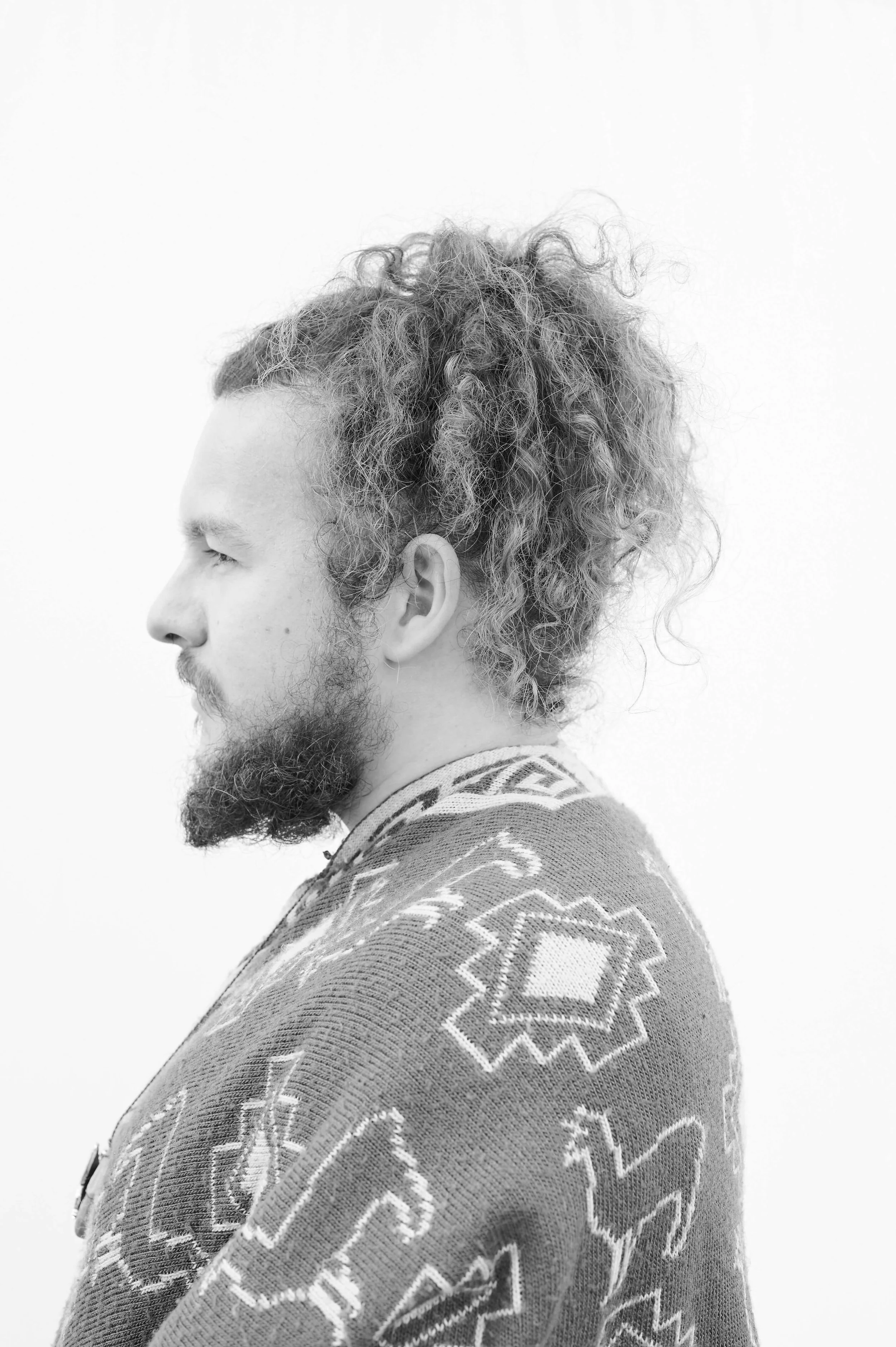
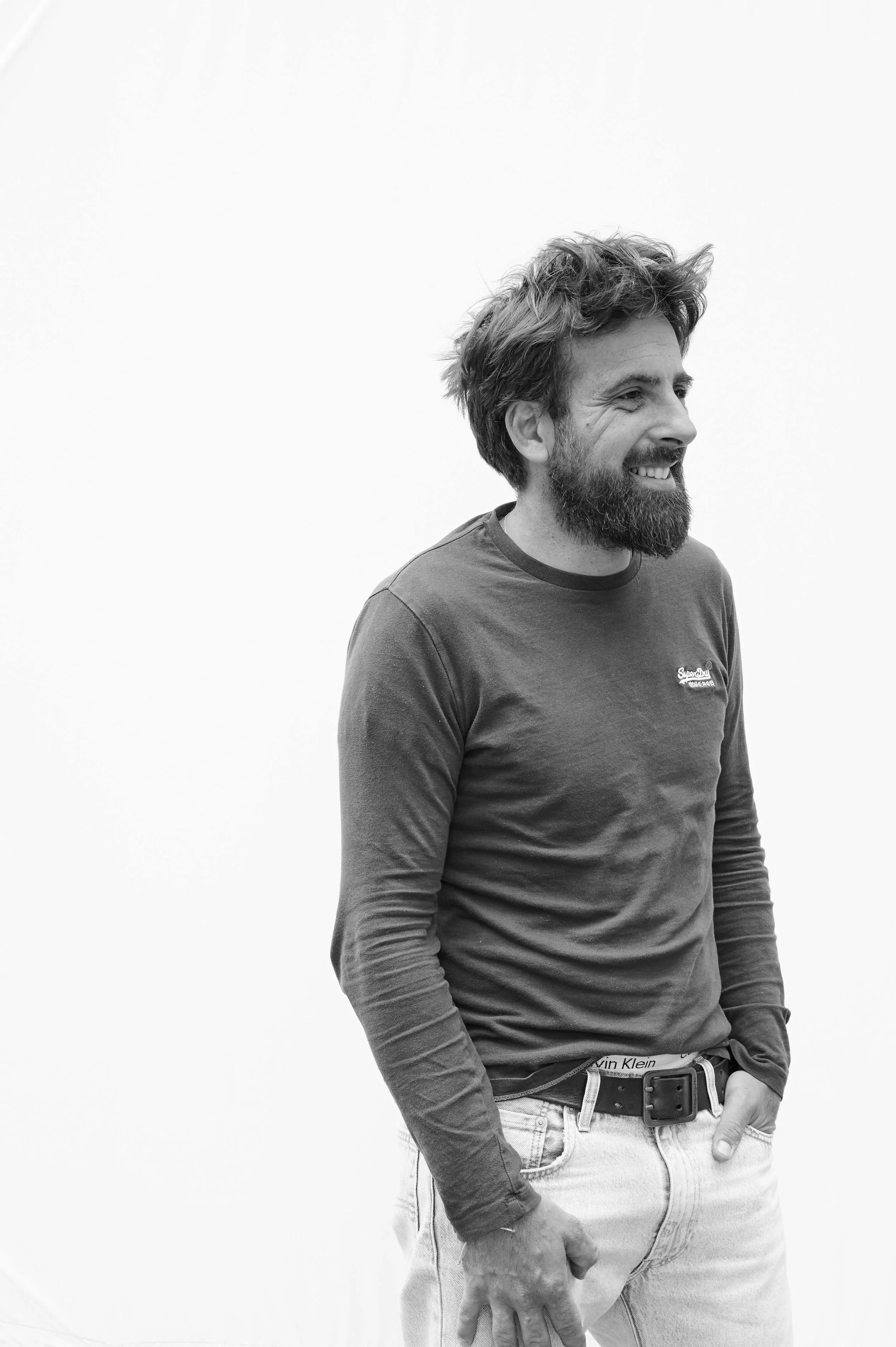
I'm 27 years old. I worked as a computer technician for four years. Sitting in front of a computer all day drove me crazy. I started working at 15: factory worker, waste sorting. The kind of stuff that makes you realize how bad humanity can be. The waste sorting didn't last long, but it was enough to make me aware, as were the factories in Grasse. The smell is hellish. I stayed there for three or four months, working with food flavorings. When I left, it took me two months to regain my sense of smell. I saw the other side of the processed food that is offered to us. I realized we are being fed with really terrible stuff.
So I wanted to understand how I had ended up there. I wanted to learn how to treat myself with plants, and I told myself that I had to try to understand life as a whole. I started working with the Évaléco association in Gréolières. This third place offered me a two-year apprenticeship in agriculture. My goal is not to feed the world. For me, people need to learn to produce their own food and stop being spoon-fed by the supermarket. And that's also part of my approach. Now I feel uncomfortable when I go to a supermarket.
What set me on this path was realizing just how dependent we are. Society is going to implode, and those who have no awareness of the world they live in will kill each other at the checkout for a box of ravioli. I don't want to die in a supermarket, so I prefer to grow my own little things!
Mathurin
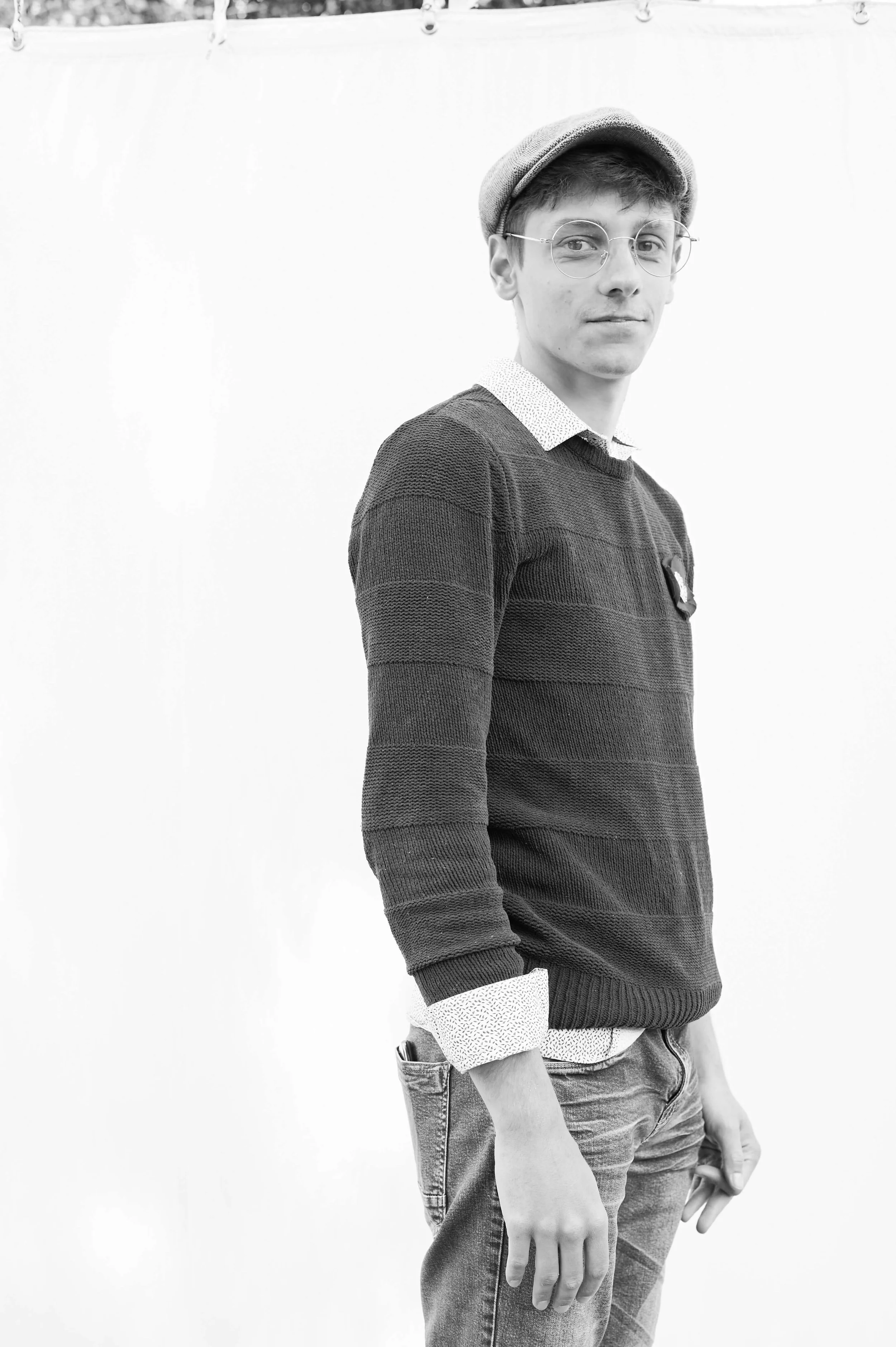
It was through activism and my association “Nous voulons des coquelicots” (We want poppies) that I became aware of food-related issues. I had a kind of revelation and told myself that this was my calling.
Working on these kinds of projects is really meaningful.
Because it's also linked to preserving ecosystems, which has interested me from the beginning. Then, there's the social and environmental aspects. Food is really all of these things at once. What fascinates me is that agriculture causes a lot of damage, but it's simultaneously a part of the solution to many problems.
Actually, we're not inventing anything new: all we're doing is returning to ways of thinking that we've lost over time. In fact, we need to deconstruct the entire last century! We can see this clearly in the number of diseases and the pollution of the soil, water, and air.
We mustn't give up. I want to keep fighting; I'm a fighter. Here in France, I want to build the model that I want to see exist. First and foremost for myself and my own happiness, but then it can spread around me and everywhere...
Nathan
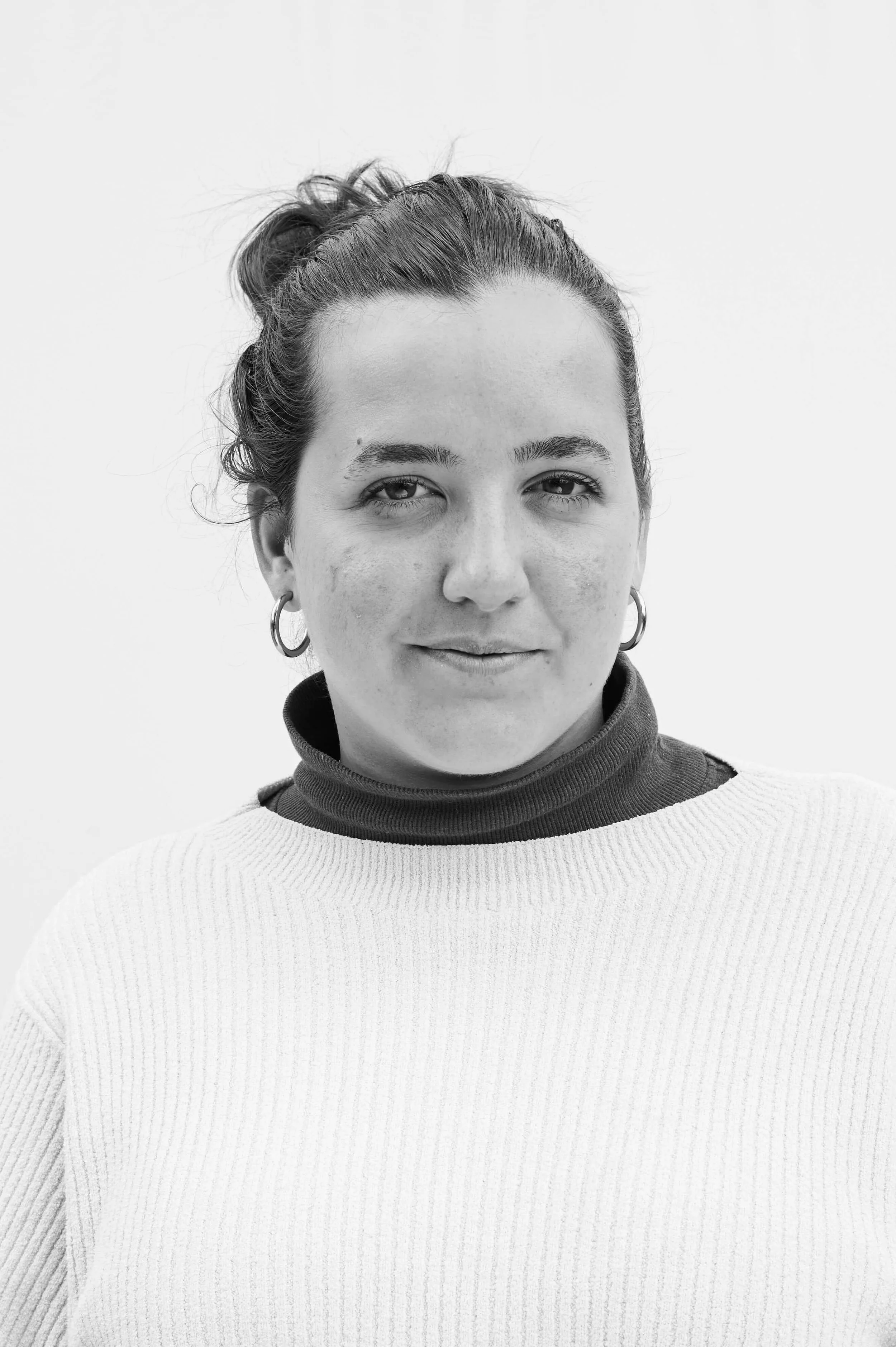
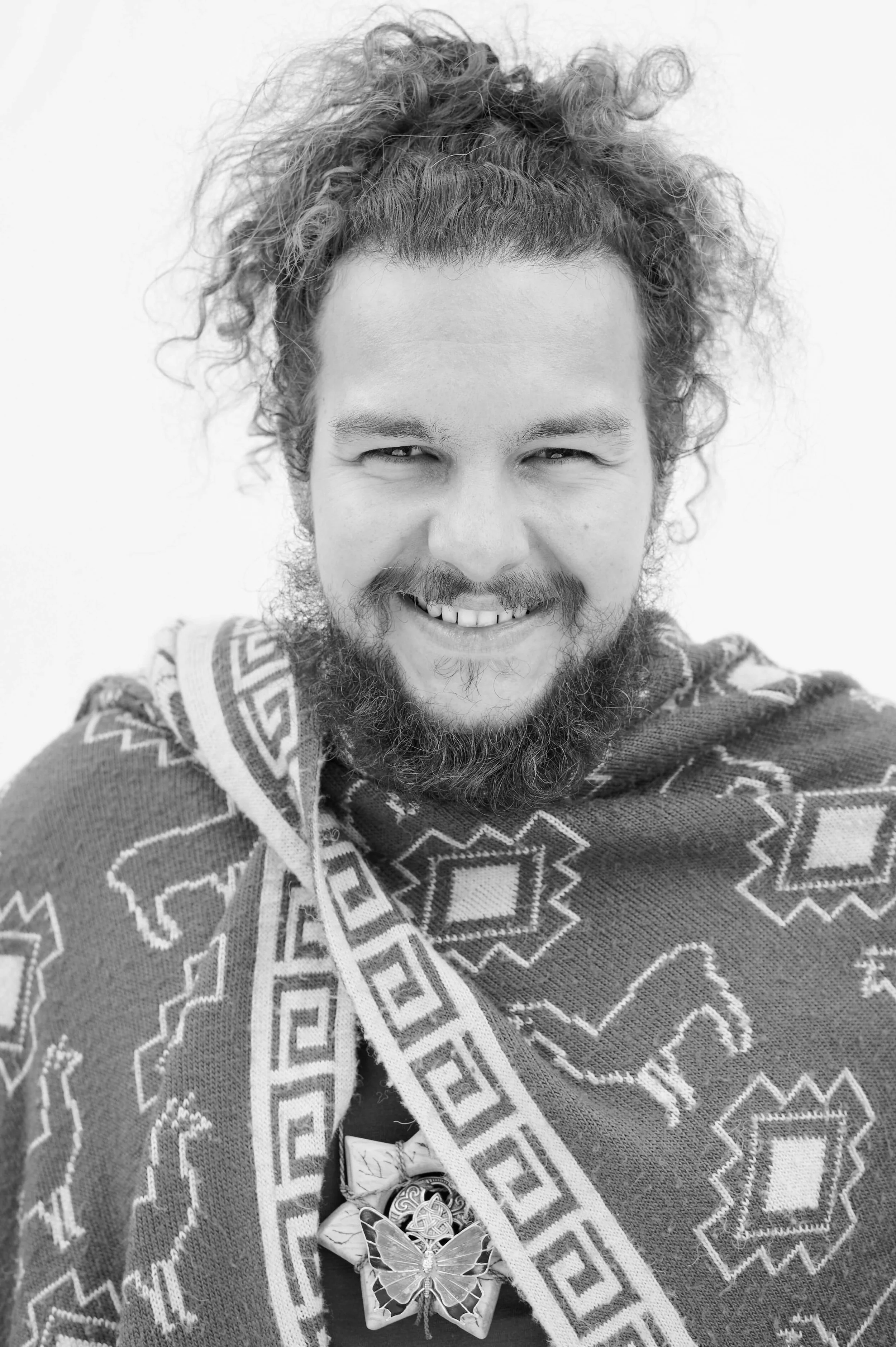
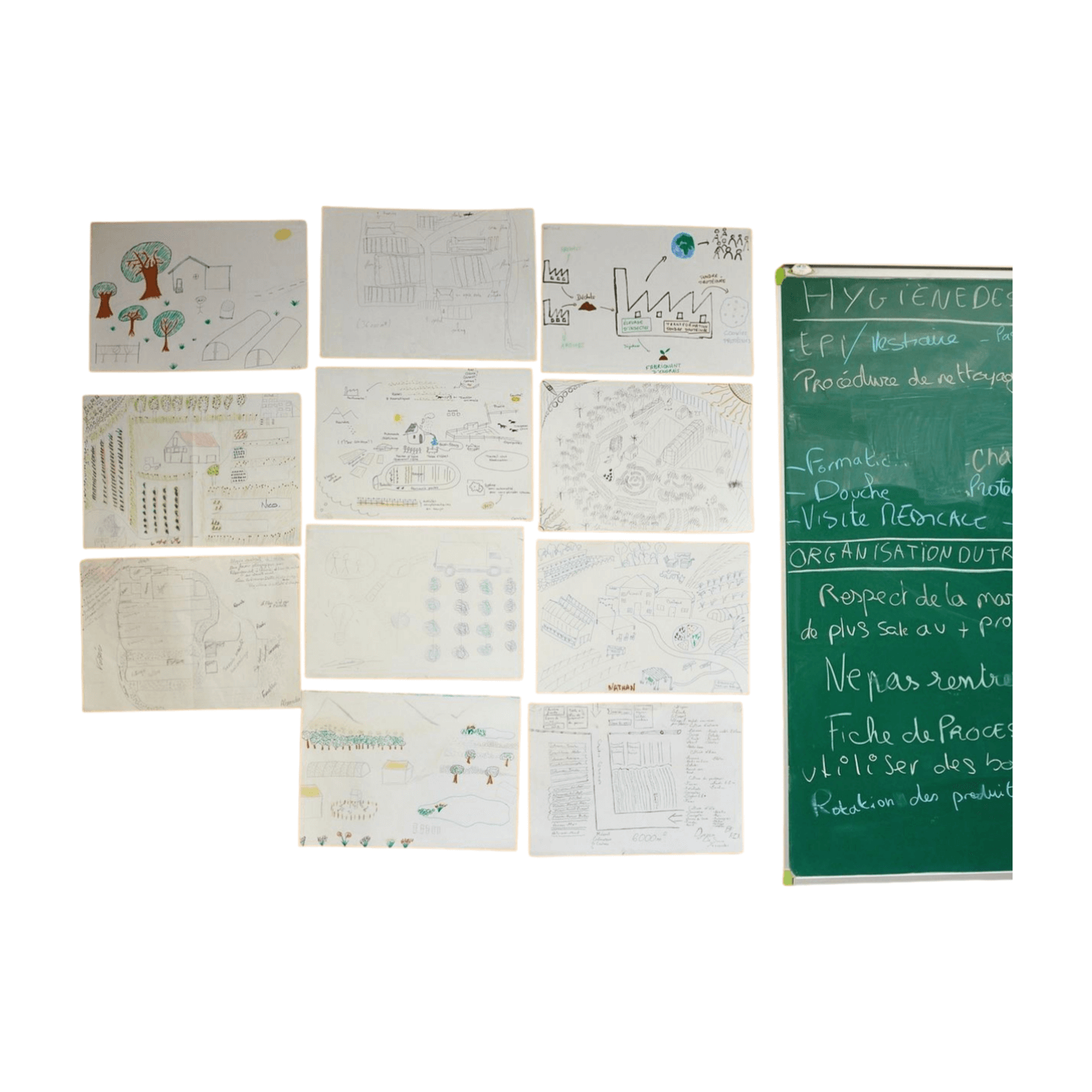
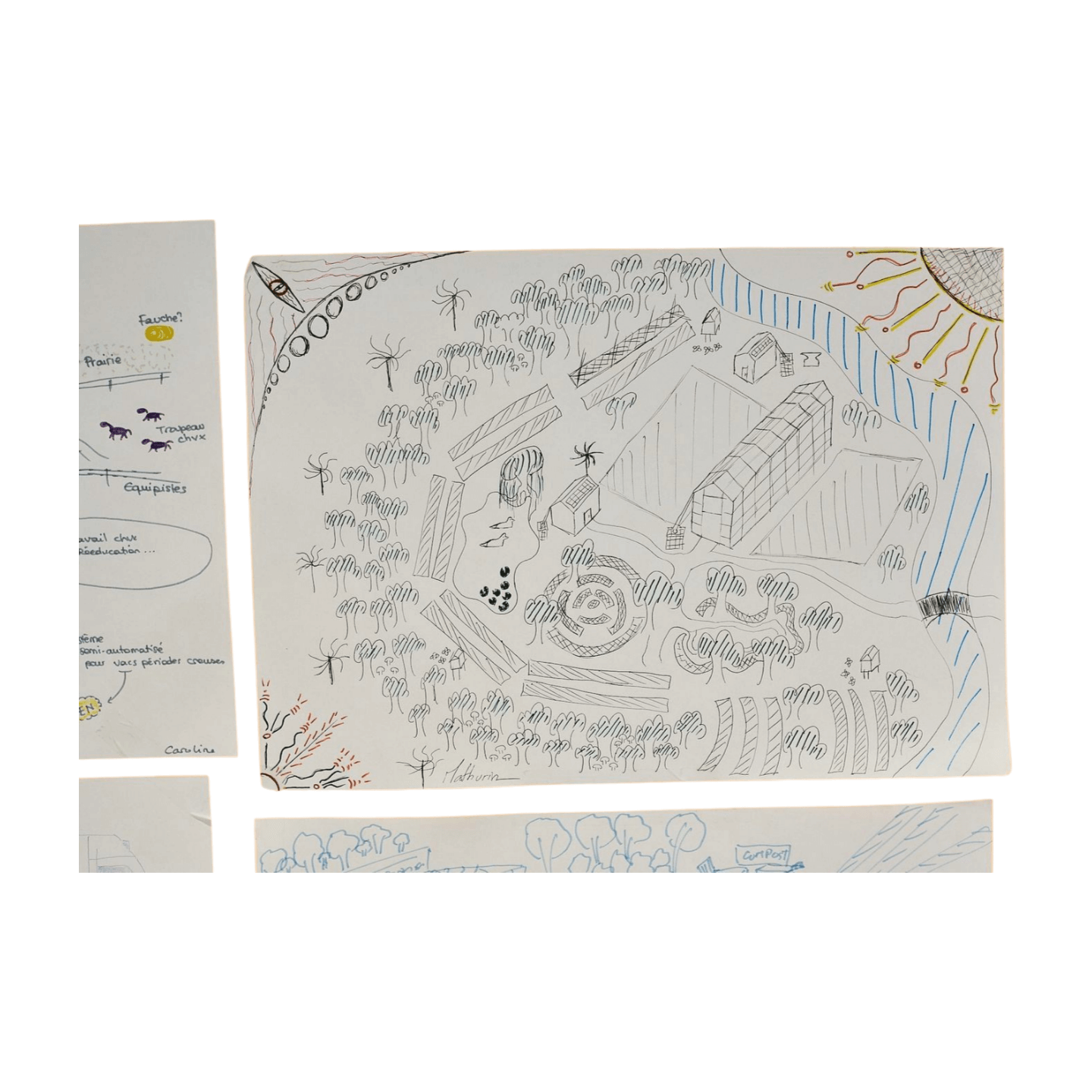
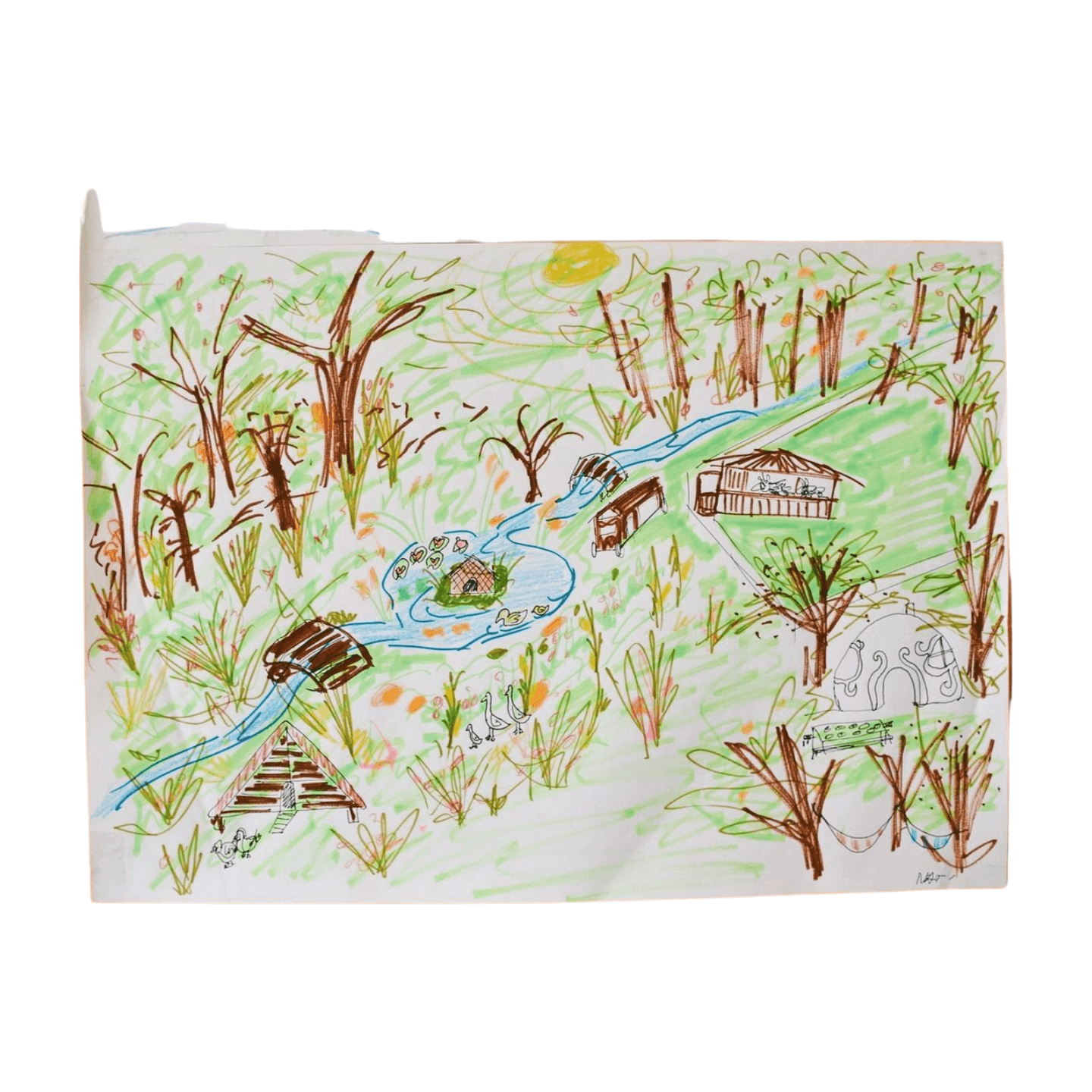
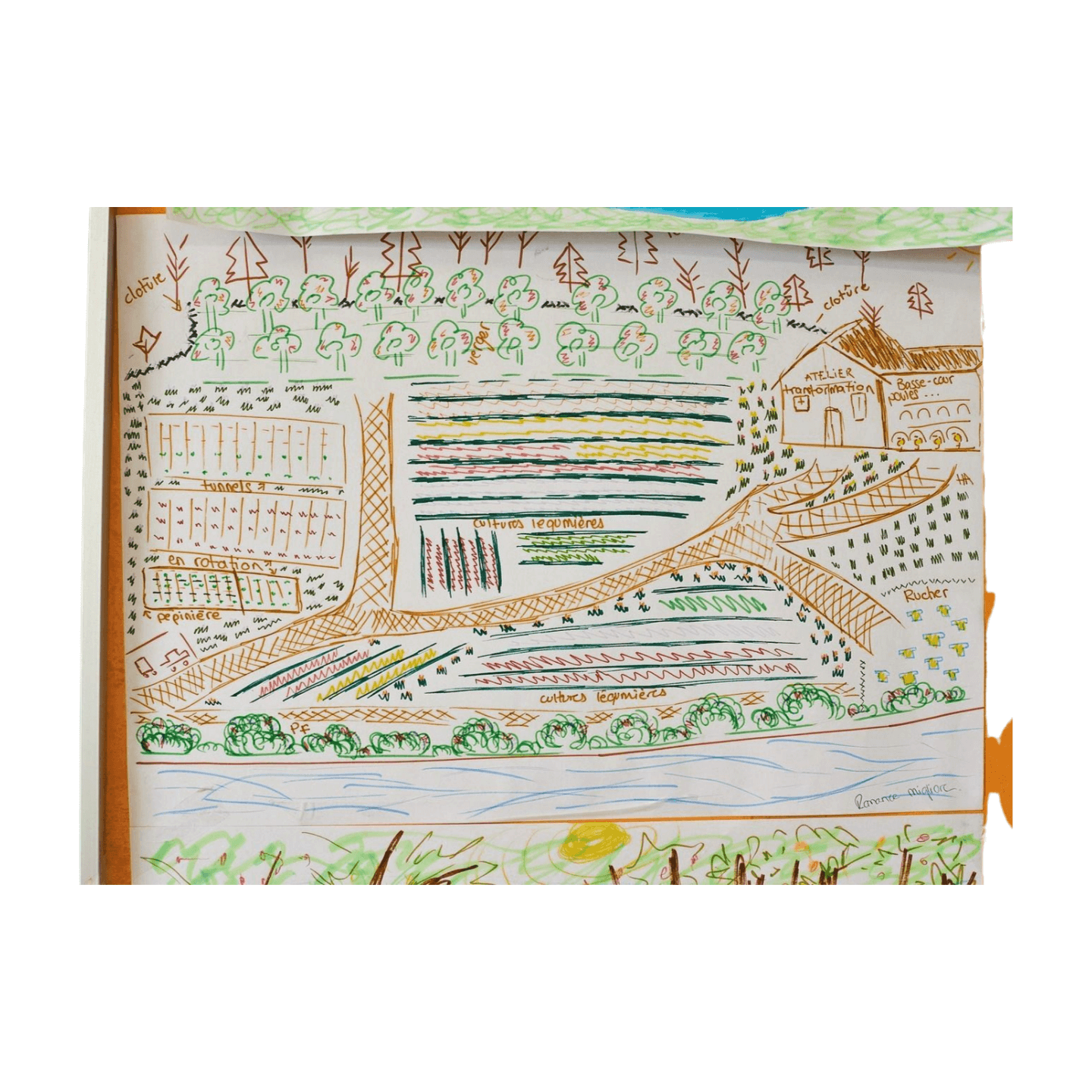
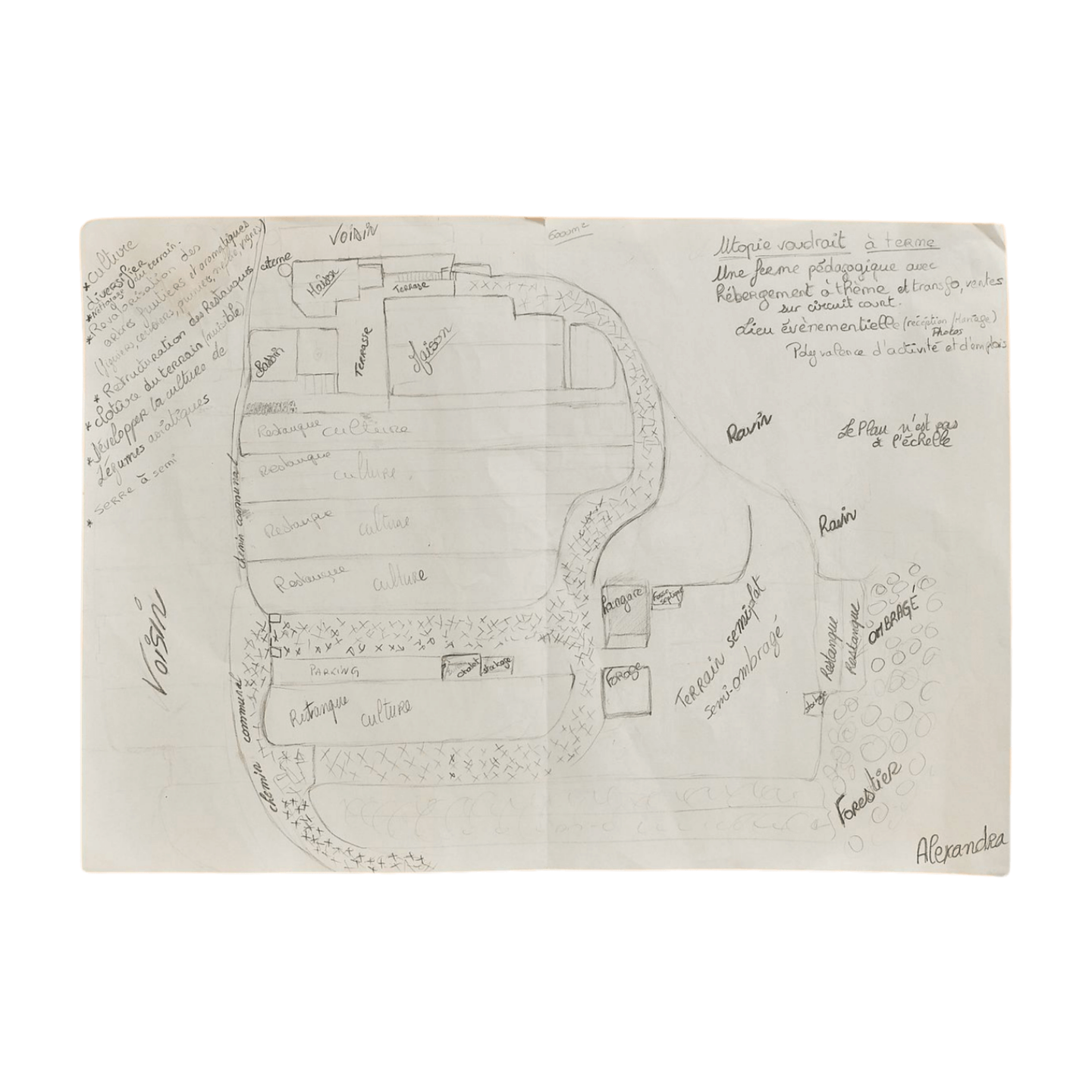
When the students imagine their farms
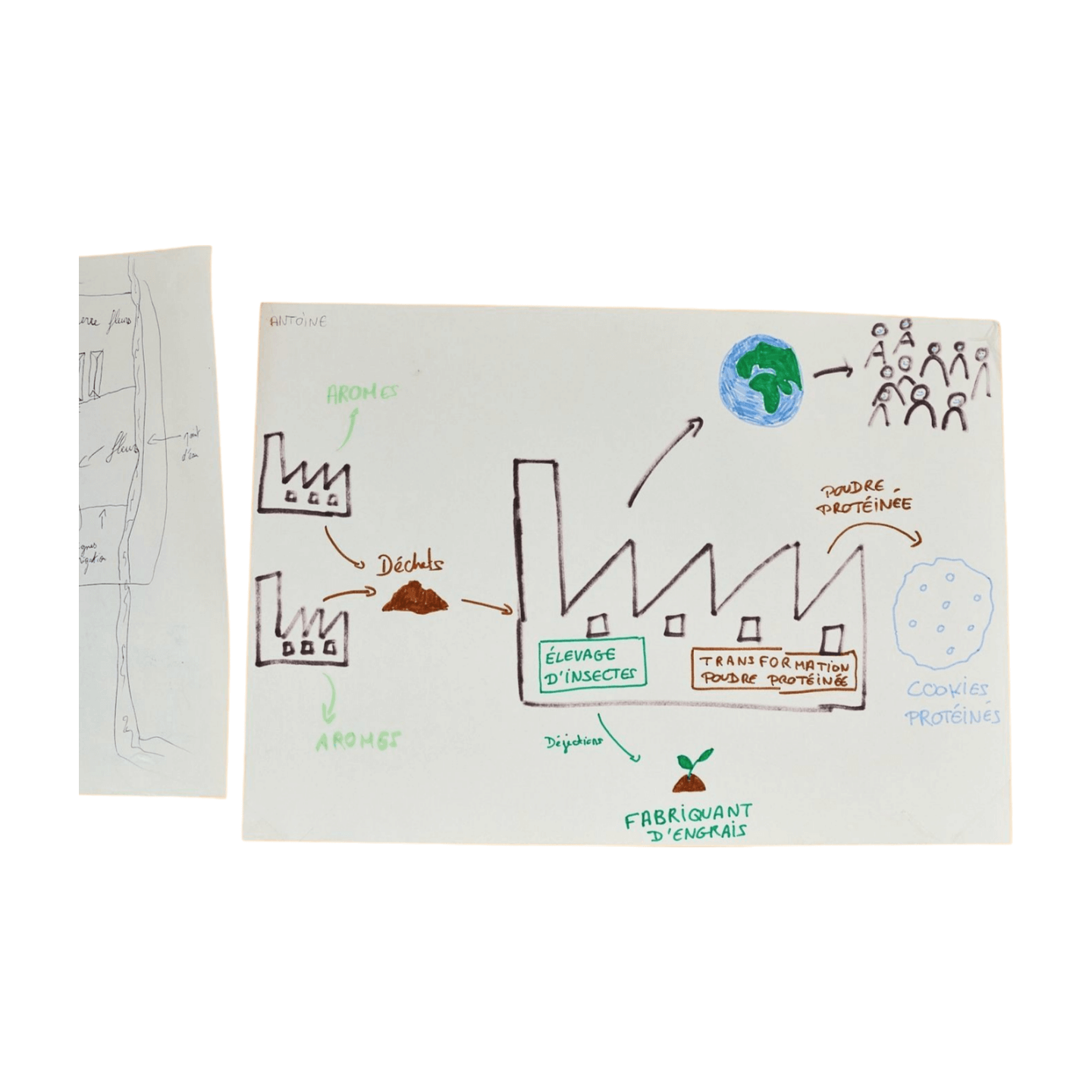
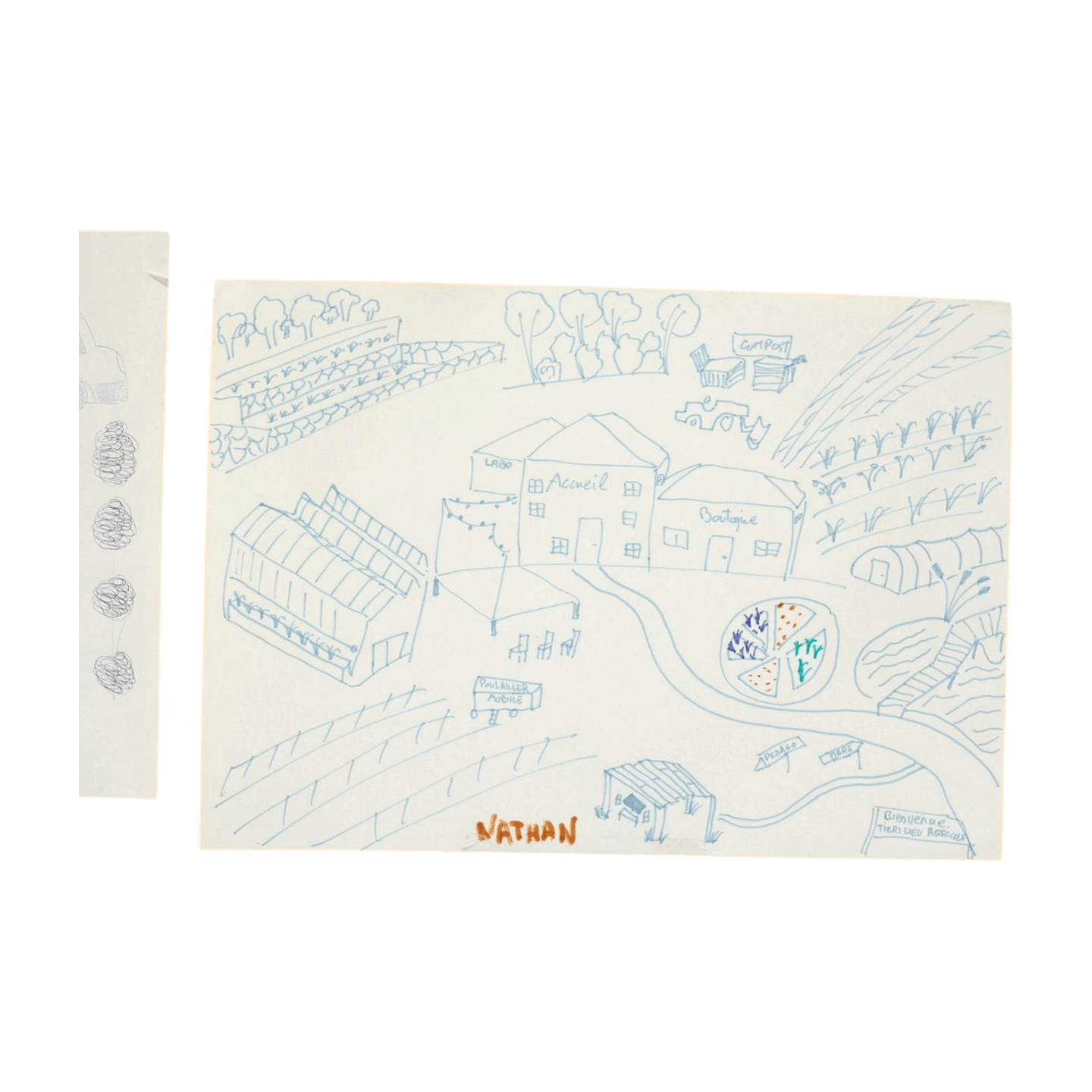
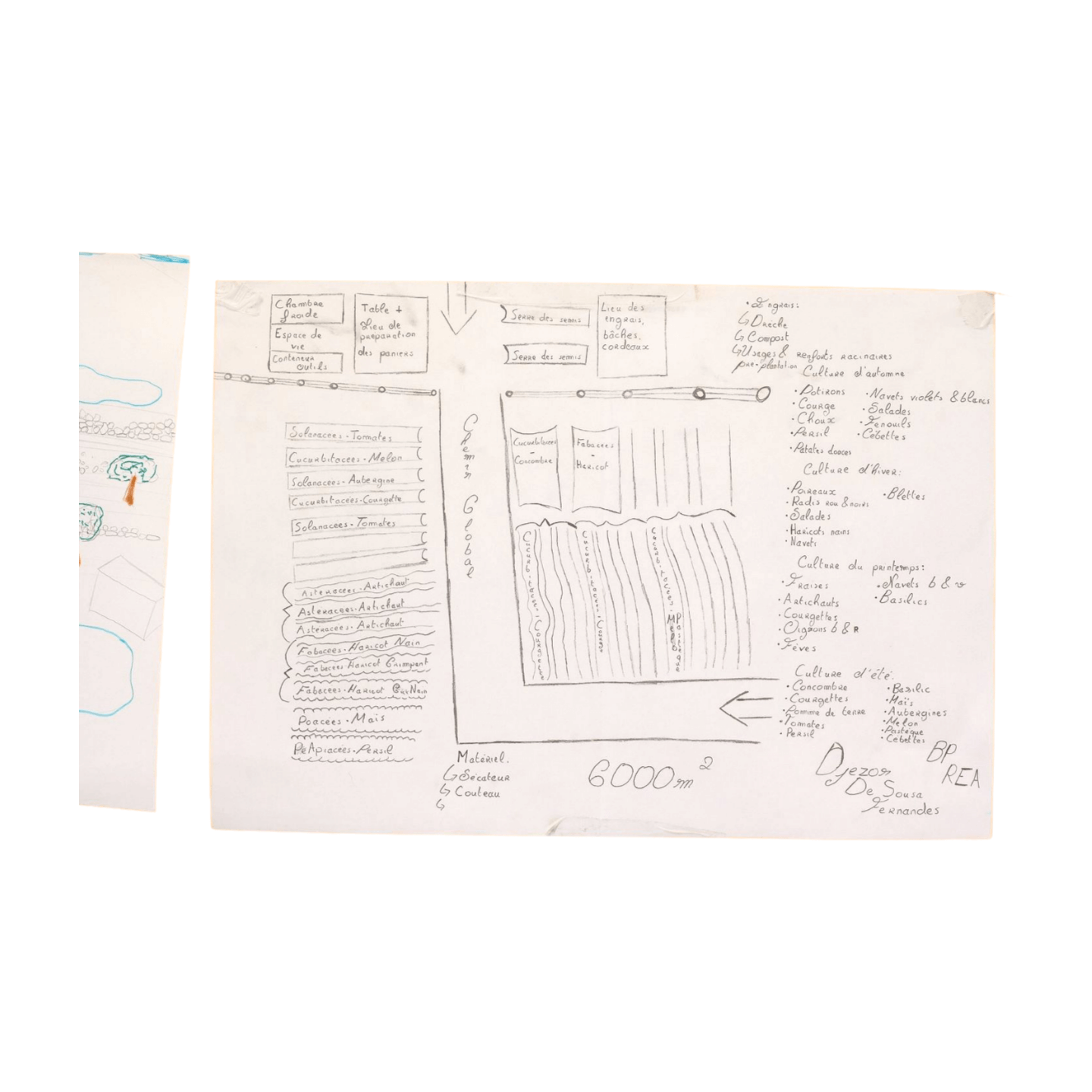
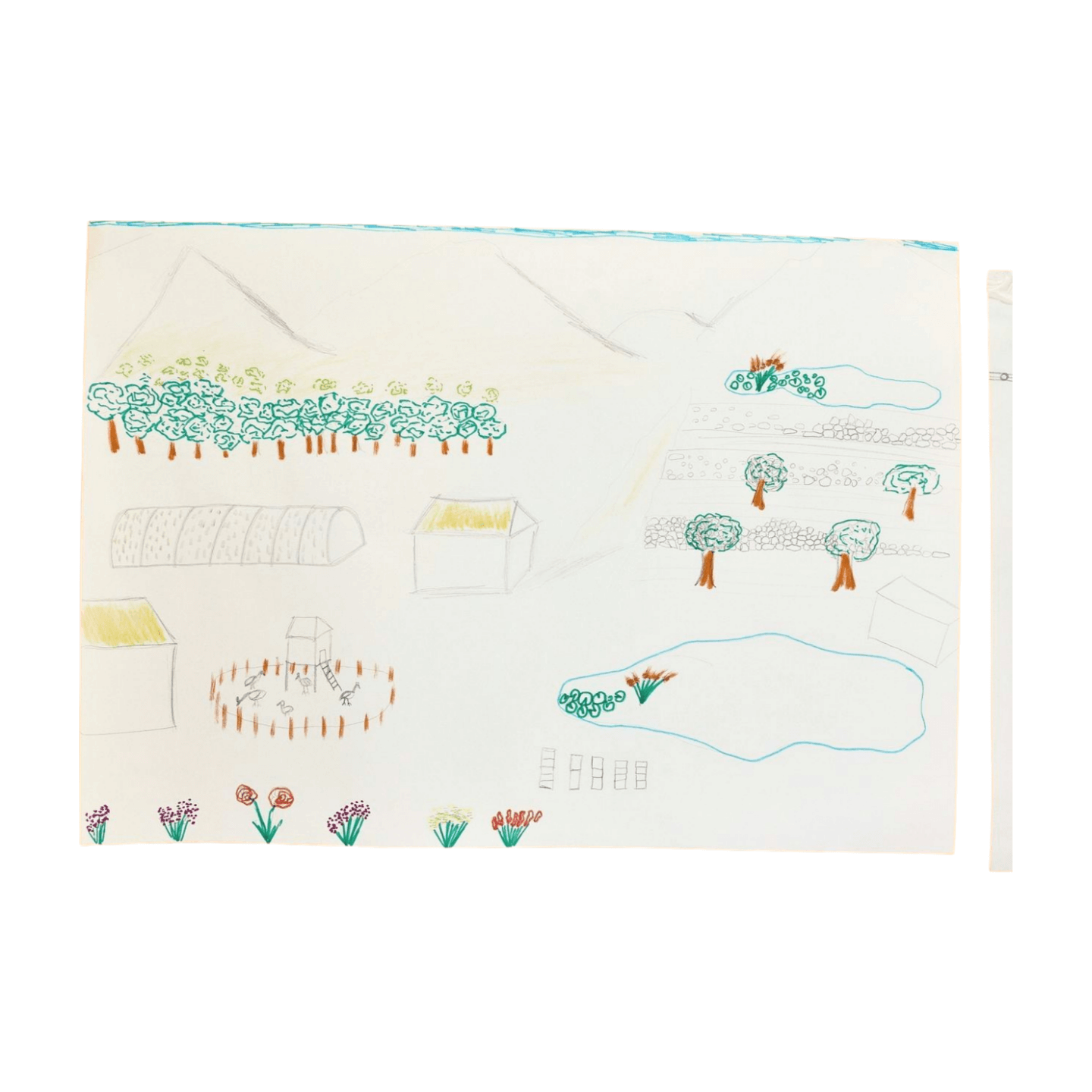
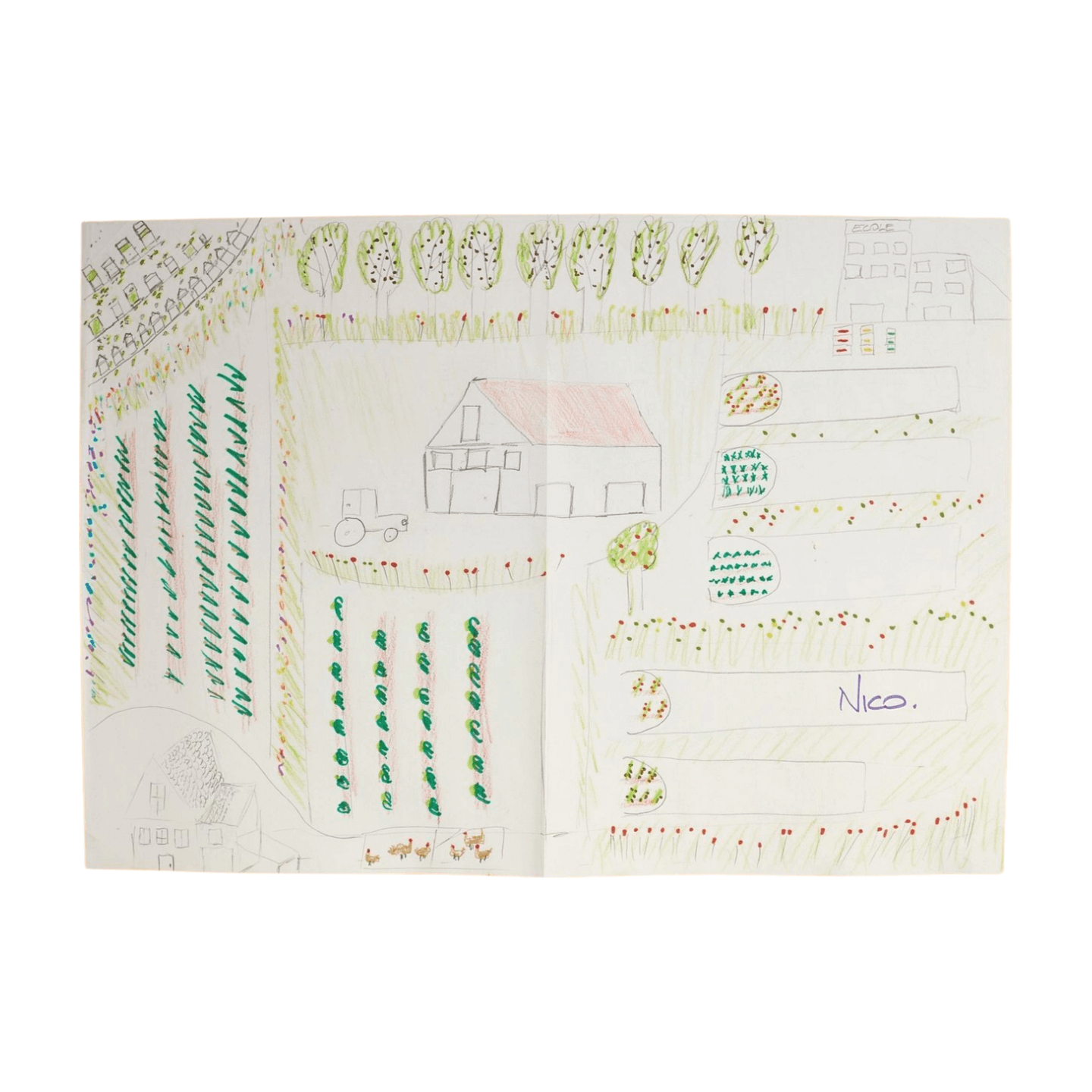
I am 45 years old and grew up in a city, Nice, although every weekend I went to visit my grandparents in Saint Martin en Vésubie. I worked in retail for 25 years, as a department manager at Carrefour, where I started my career in 2001.
In 2007, I moved to Mouans-Sartoux, the pioneering municipality in the department in terms of sustainable food. The municipality's policy led me to reflect on the meaning of my job, which basically consisted of selling more and more to make as much money as possible for the company. I used to leave for work at 6 a.m. and didn't get home until 7 p.m. I felt like I wasn't seeing my children grow up and was spending my days doing things I didn't like. I felt the need to change my life.
Then lockdown began. I decided to create a shared vegetable garden on a strip of land in a parking lot in front of my house. After putting up a sign with my phone number on this rocky strip of land, I started getting calls from people who wanted to help with the garden, until one day Gilles Pérole, the assistant mayor and head of childhood, education, and food, stopped by my house. He invited me to join the “Citizens Feed the City” initiative.
I seized the opportunity to take a training course to become a farmer at the Mouans-Sartoux municipal farm. The salary won't be the same, of course. But how could I justify telling my daughters that in life you have to do a job you love and that is meaningful, while doing the opposite myself? I want to show them a good example.
Today, I consider myself rich because I can afford to eat healthily, but this is not the case for everyone, and I hope that this will change in the future.
Nicolas
I'm Alex, I spent years working in fast food, mainly at McDonald's... I was giving too much of myself and, after a while, I couldn't take it anymore and quit. I resigned because I wanted a complete change.
I was fed up with the restaurant business: I was a manager, I stayed for years and saw so many young students come and go while I was always pushing myself harder and harder, doing more and more shifts. At one point, I found myself coming home at 4 a.m. before leaving again at 8 a.m.
Since I resigned, I wasn't eligible for unemployment benefits, but as I have young children, I'm lucky enough to receive other benefits, so I took the opportunity to look elsewhere and really figure out what I wanted to do in life. I was looking for training courses and when I saw the one on “discovering agriculture,” something inside me clicked.
Little by little, my project took shape. My idea is to combine France and Asia, to marry the typical vegetables of Provence with those of Asia, which I have been passionate about since I was a child.
I came up with this idea because it's a way to keep the family home and land.
If something should happen to my father today, my sisters and I would be forced to sell it, whereas turning it into an agricultural business would allow us to keep it and benefit from a number of tax exemptions. I could restore the terraces and bring it back to life. Before it became my father's car repair garage, the property was a vineyard!
Alex
Everything began with a piece of land I owned in Fuveau, in the Bouches-du-Rhône department. My father had been looking for a place to store his equipment for some time. One day, after searching for a while, he found an open gate, went inside, and discovered a man and a woman in a shed who were suffering and malnourished.
He called the emergency services and, while talking to them, learned that they were a sister and brother. The neighbours who were supposed to be looking after them were letting them die. They had already prepared the paperwork to inherit their 5-hectare plot of land.
That plan was stopped, and my dad sold part of the land to pay off the owners' debts, then bought some of it back. When my dad died two years ago, my brothers and I inherited it. We've always had a really strong connection to this land. We want to restore the land back to how it was before.
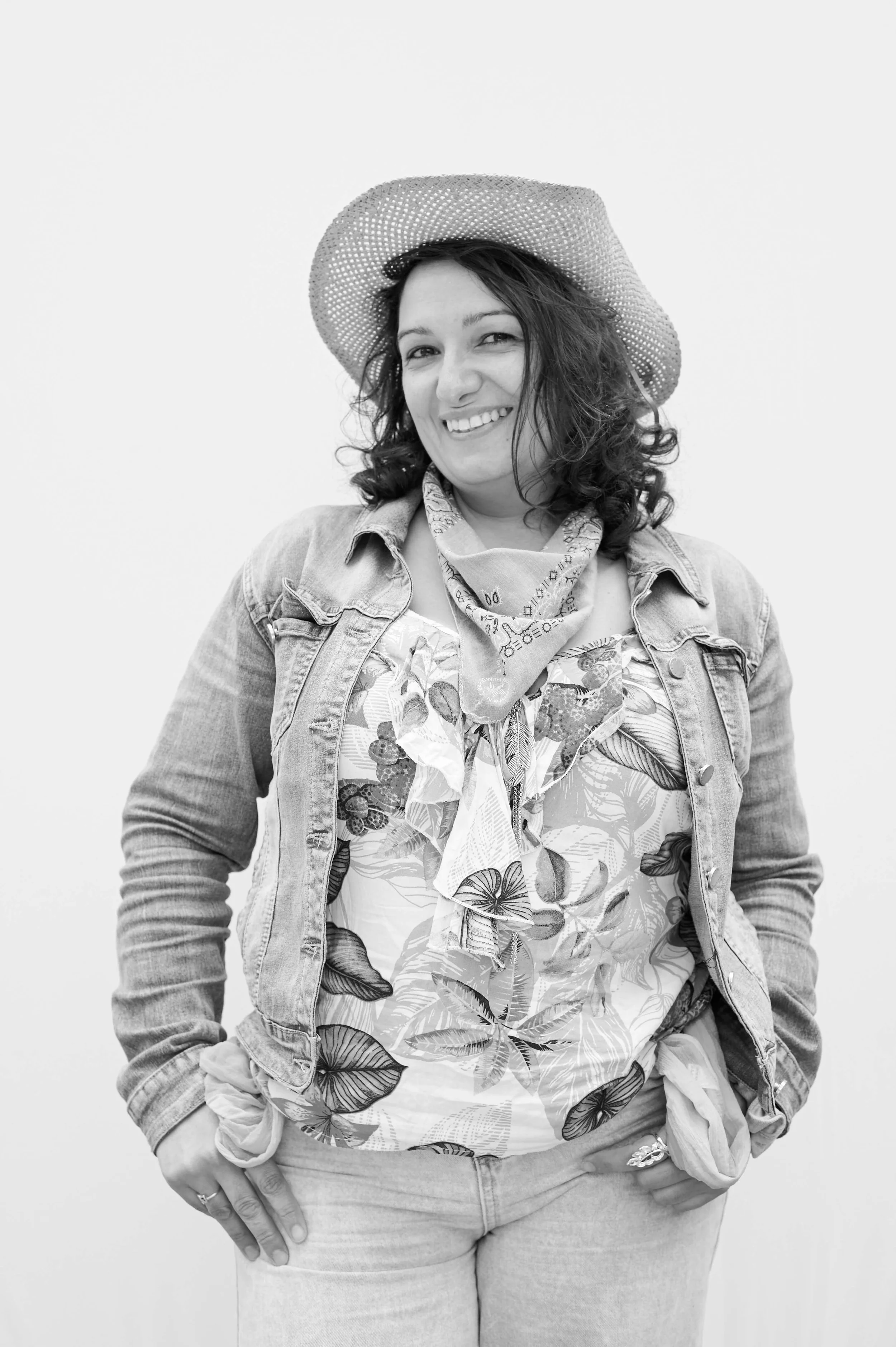
Two years ago, I decided to quit everything. I had a breakdown at work: I had knee surgery and was off work for a while. My boss came to check on me at home. Thanks to the professional training certificate, I have all the information I need to access subsidies. I can't wait to get my project off the ground. I don't want to grow vegetables, but pistachios and Provençal herbs. I'd like to start planting next autumn. I want to promote Provençal terroir: pistachio trees were cultivated from the 7th to the 19th century. Then they were all uprooted to make way for vineyards.
In fact, this was the project my husband and I had planned for our retirement, but why should we wait? I’m eager to get started because I regret having already wasted too many years behind a desk.
Michèle
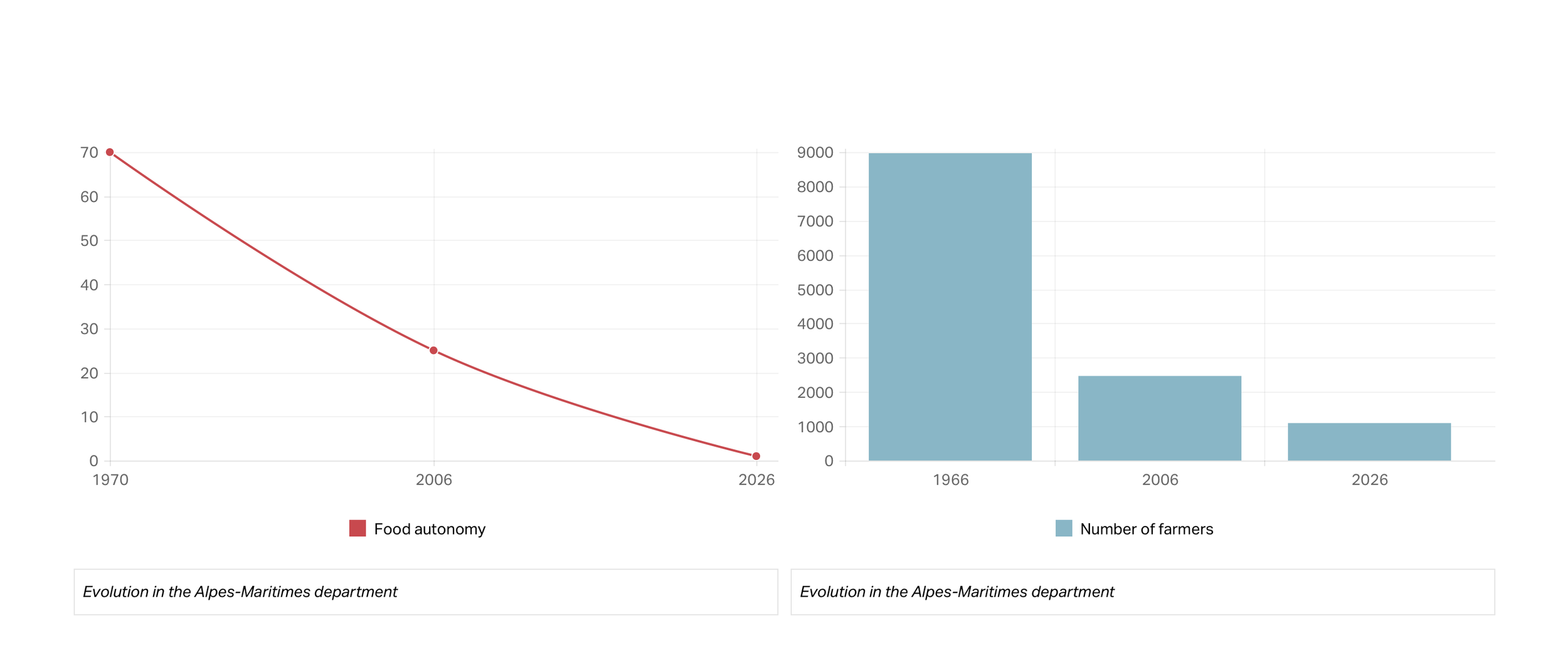
As part of the 2021-2028 Agricultural and Rural Plan, the Alpes-Maritimes department is rolling out a major project: the Departmental Farm, which is part of the Green Deal policy. Its goal is to revive local, organic, and resilient agriculture on fallow land in order to strengthen the region's food sovereignty.
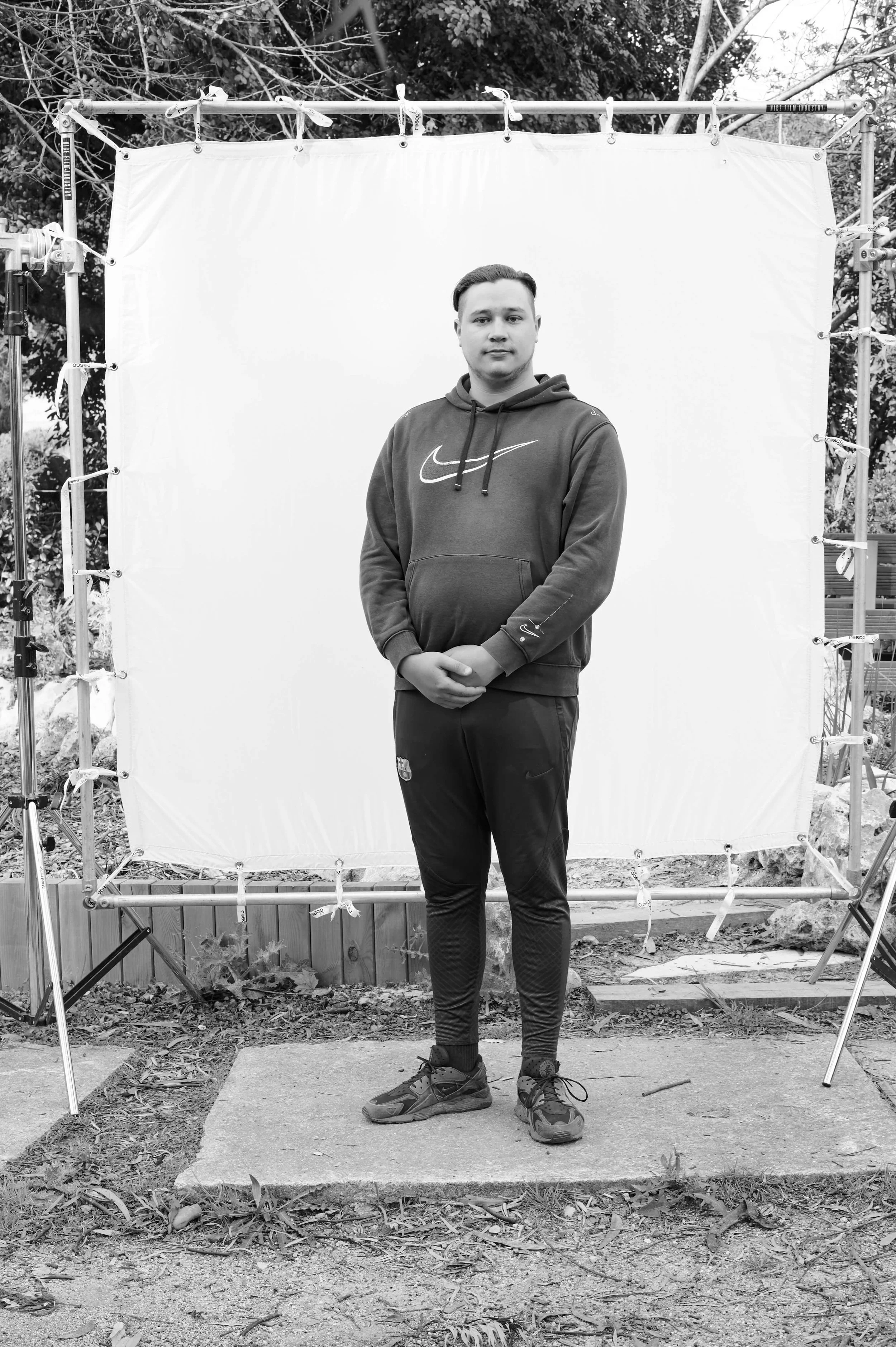
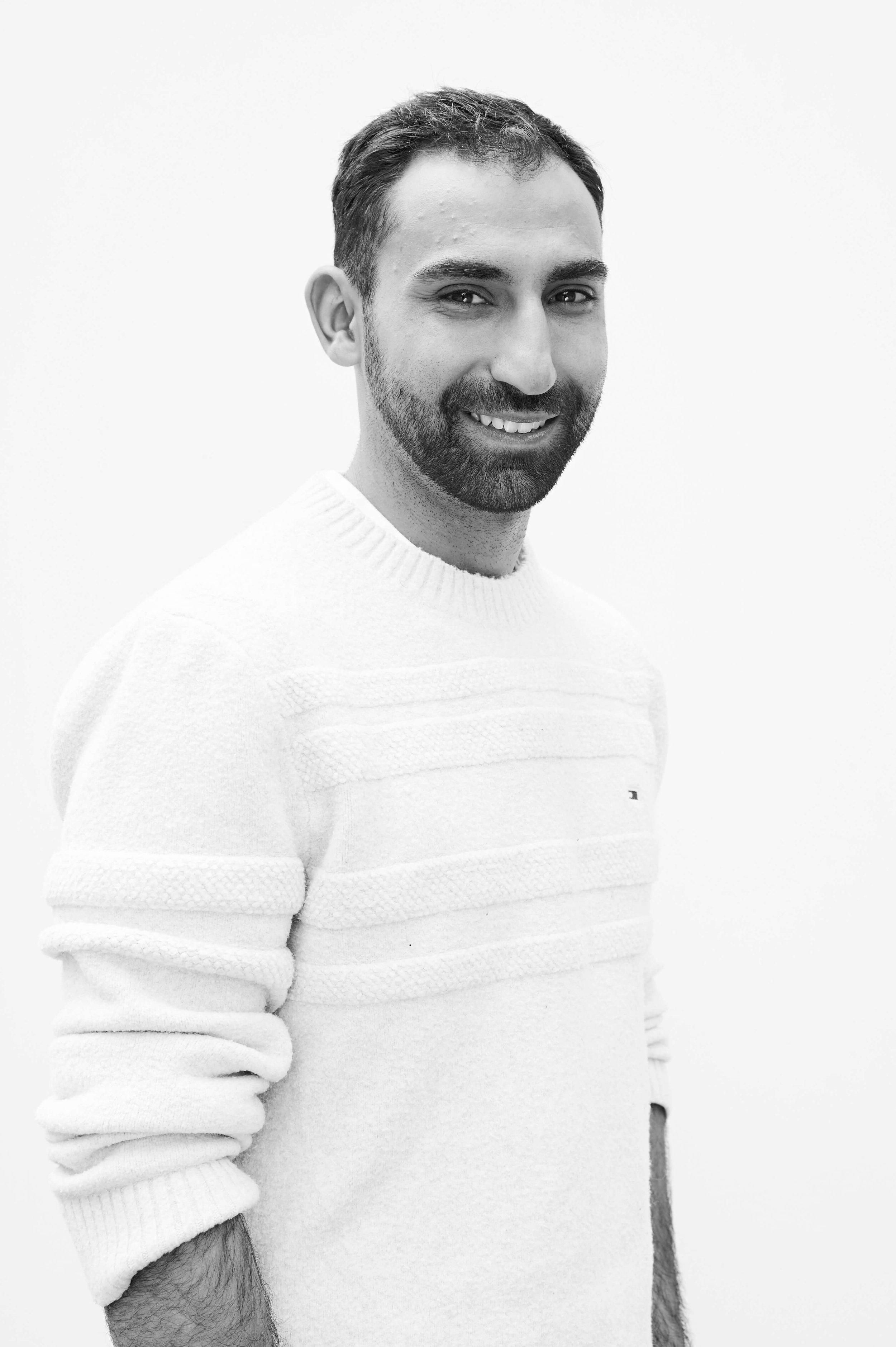
I would like to thank Victoire Moreau from the communications department at Campus Vert d’Azur, who I first contacted and who gave me a lot of freedom to work on this story and Carine Vilardell for her help, her good humor, and our enriching conversations.
I am grateful to the students for sharing their stories and these precious moments.